NEWS & POLITICS
Should zoos prioritize rehabilitating orphaned animals with their own kind?
BACKGROUND
The topic of whether zoos should prioritize rehabilitating orphaned animals with their own kind has gained significant attention in recent years. This debate revolves around the care and well-being of animals that have been separated from their mothers or groups, often due to injury, illness, or other traumatic events. Zoos and wildlife sanctuaries play a crucial role in providing a safe environment for these animals to recover and potentially reintegrate with their own species. The goal of rehabilitation is to help these animals develop the necessary skills to survive on their own, either in the wild or in a controlled environment. This process can be complex and requires careful consideration of the animal's physical and emotional needs.
The importance of this topic lies in its broader implications for animal welfare, conservation, and our understanding of animal behavior. The way we treat and care for orphaned animals in zoos can have a significant impact on their long-term well-being and ability to thrive. Moreover, the methods used in rehabilitation can also inform our approaches to conservation and wildlife management, highlighting the need for a nuanced and multifaceted approach to supporting vulnerable species. By examining the ways in which zoos prioritize rehabilitation, we can gain a deeper understanding of the complex relationships between animals, their environments, and human caregivers. This, in turn, can help us develop more effective strategies for promoting animal welfare and conservation.
“Moreover, the methods used in rehabilitation can also inform our approaches to conservation and wildlife management, highlighting the need for a nuanced and multifaceted approach to supporting vulnerable species.”
There are various perspectives on the issue of rehabilitating orphaned animals with their own kind, reflecting different values and priorities. Some argue that animals should be kept with their own species to promote socialization and minimize stress, while others believe that human care and interaction can be beneficial in certain circumstances. Additionally, some experts emphasize the importance of providing a naturalistic environment that mimics the animal's natural habitat, while others focus on the need for specialized care and medical attention. These differing perspectives highlight the complexity of the issue and the need for a thoughtful and informed approach to animal rehabilitation. Each perspective has its own merits and challenges, and a comprehensive understanding of these viewpoints is essential for developing effective rehabilitation strategies.
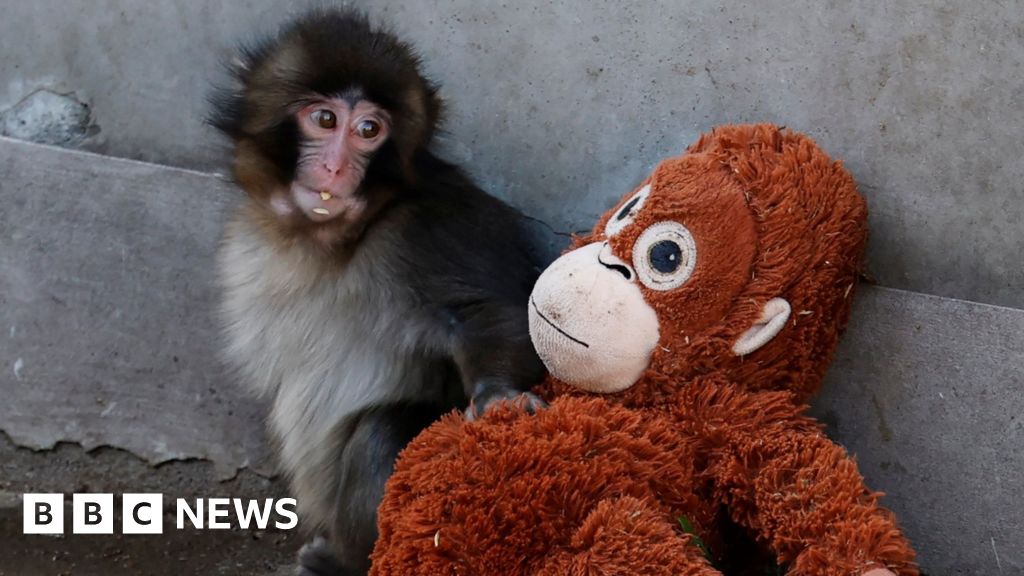
The recent story of a viral monkey named Punch, who was rejected by his mother and given a stuffed orangutan as a companion, has brought this topic back into the spotlight. This heart-wrenching story has sparked a renewed interest in the ways in which zoos and wildlife sanctuaries care for orphaned animals, and the challenges they face in providing adequate support and socialization. The use of surrogate mothers or companions, such as stuffed animals, has also raised questions about the effectiveness of these approaches and the potential long-term consequences for the animals involved. As a result, the public is once again engaged in a conversation about the role of zoos in animal rehabilitation and the importance of prioritizing the needs and well-being of vulnerable species.
Vote on every page you visit
PollPulse is a free browser extension that generates opinion polls on any webpage — news, YouTube, Reddit, product pages, and more.
Add to Chrome — FreeJoin thousands already shaping the internet's opinion layer