NEWS & POLITICS
Should solar viewers meet ISO 12312-2 standards?
BACKGROUND
Millions of people are gearing up to witness the next big solar eclipse, but a growing concern is casting a shadow over the excitement - the safety of solar viewers. Reports of cheap, non-compliant viewers flooding the market have sparked fears of widespread eye damage. In the midst of this chaos, a standard has emerged as the gold standard for solar viewer safety: ISO 12312-2. But not all viewers meet this standard, and that's got everyone from astronomers to parents on high alert.
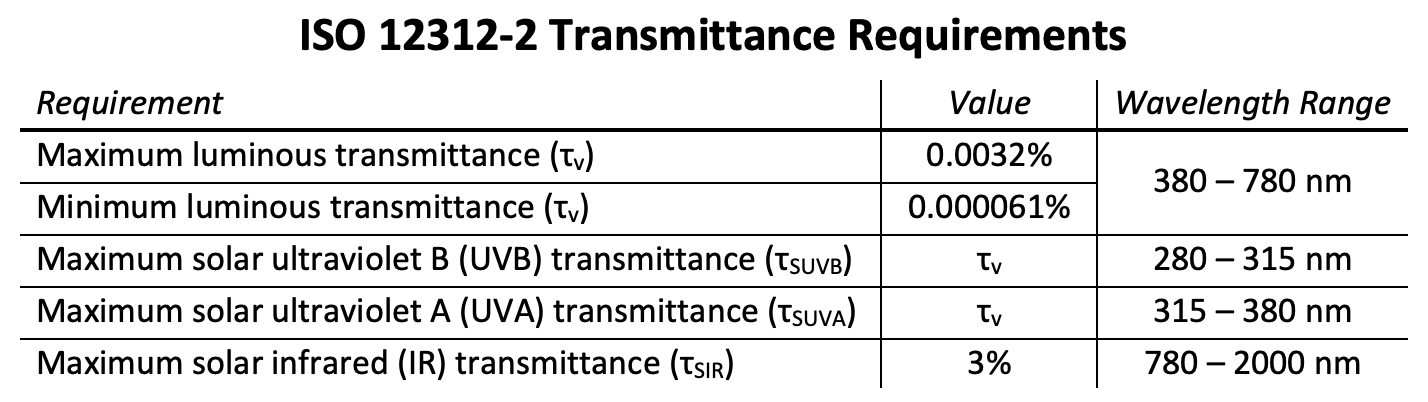
The concern over solar viewer safety isn't new, but it's come to a head in recent years as eclipses have become more accessible and widespread. The 2017 solar eclipse across America saw a surge in demand for solar viewers, and manufacturers scrambled to meet it. However, many of these viewers didn't meet the ISO 12312-2 standard, which was first introduced in 2010. This standard dictates that solar viewers must block out 99.999% of both UVA and UVB radiation, as well as intense visible light. It's a stringent test, but one that's necessary to prevent serious eye damage, including solar retinopathy.
“If non-compliant viewers are used, the consequences could be severe, with people facing permanent vision loss or even blindness.”
The stakes are high, with potential eye damage affecting not just individuals, but also the wider community. If non-compliant viewers are used, the consequences could be severe, with people facing permanent vision loss or even blindness. The American Academy of Ophthalmology has warned that looking at the sun during an eclipse without proper eye protection can cause serious and lasting damage. On the other hand, manufacturers of non-compliant viewers argue that their products are safe and that the ISO standard is too stringent. As the debate rages on, one thing is clear: the safety of solar viewers is a matter of great importance, and the outcome will have a significant impact on the way we experience eclipses.
As the next solar eclipse approaches, the debate over solar viewer safety is heating up. NASA astronomer Alex Young has warned that "it's not worth the risk" to use non-compliant viewers, while some manufacturers claim that their products are safe and reliable. On social media, concerned parents and astronomy enthusiasts are sharing warnings and advice, with many calling for stricter regulations on solar viewer sales. With so much at stake, it's no wonder that the ISO 12312-2 standard has become a rallying cry for those advocating for solar viewer safety. As one concerned citizen tweeted, "I'd rather be safe than sorry - my eyes are worth it."
Vote on every page you visit
PollPulse is a free browser extension that generates opinion polls on any webpage — news, YouTube, Reddit, product pages, and more.
Add to Chrome — FreeJoin thousands already shaping the internet's opinion layer