GENERAL
Is Uber Eats convenient?
BACKGROUND
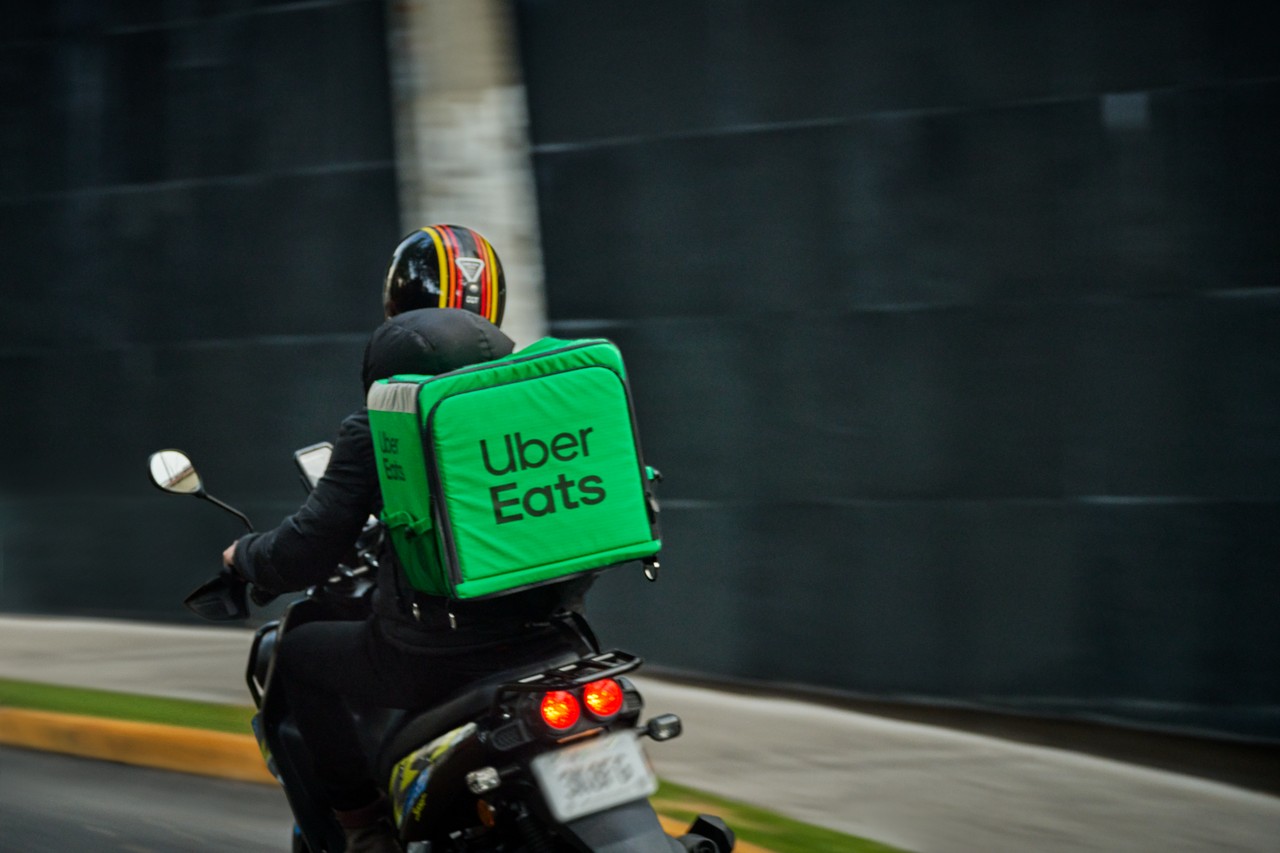
Imagine being able to get your favorite restaurant meal delivered to your doorstep with just a few taps on your phone - no need to worry about cooking or even leaving the house. This is the promise of Uber Eats, a service that has taken the world by storm since its launch in 2014. With over 220,000 restaurants in more than 6,000 cities worldwide, it's hard to deny the impact Uber Eats has had on the way we think about food delivery. But is this convenience coming at a cost?
To understand whether Uber Eats is truly convenient, you need to consider the context in which it operates. The rise of the gig economy has led to a proliferation of food delivery services, with Uber Eats being one of the most prominent players. Founded by Travis Kalanick and Garrett Camp, the company has expanded rapidly, partnering with restaurants and hiring thousands of drivers to meet the growing demand. However, this growth has also led to concerns about the treatment of drivers, the environmental impact of increased car usage, and the effects on local restaurants. As you consider the convenience of Uber Eats, you need to weigh these factors against the benefits of having your favorite food delivered quickly and efficiently.
“On the other hand, others might argue that this convenience comes at a cost, contributing to a culture of laziness and waste.”
But what does convenience really mean in this context? For some, the ability to order food online and have it delivered within 30 minutes is the ultimate convenience. No need to cook, no need to leave the house - just tap, pay, and wait. On the other hand, others might argue that this convenience comes at a cost, contributing to a culture of laziness and waste. They might point out that traditional dining experiences, where you interact with restaurant staff and other patrons, are being lost in the process. Moreover, the environmental impact of increased car usage and packaging waste cannot be ignored. As you ponder the convenience of Uber Eats, you need to consider what you value more - the ease of having food delivered or the potential consequences of this convenience.
So why does the question of Uber Eats' convenience matter? It gets to the heart of how we want to live our lives and what we prioritize. Do we value the flexibility and speed that services like Uber Eats offer, or do we think that this convenience is compromising our values and our communities? By considering this question, you're forced to think about what you're willing to trade off for the sake of convenience. Is it worth supporting a service that may be contributing to the exploitation of drivers and the decline of local restaurants? Or do the benefits of Uber Eats outweigh these concerns? Your answer says a lot about what you value and how you want to engage with the world around you.
Vote on every page you visit
PollPulse is a free browser extension that generates opinion polls on any webpage — news, YouTube, Reddit, product pages, and more.
Add to Chrome — FreeJoin thousands already shaping the internet's opinion layer